Wellbeing is often presented as something we should work on alone.
Sleep better. Exercise more. Meditate. Drink water. Somehow become the kind of person who prepares tomorrow’s lunch before going to bed.
Those things can help, but wellbeing is not only an individual project. It is also shaped by whether we feel connected, supported and able to participate in the community around us.
That is where community wellbeing comes in.
What does community wellbeing mean?
Community wellbeing describes how well people and places are doing together.
It includes:
- Feeling safe, welcome and included.
- Having supportive relationships.
- Being able to access activities and services.
- Having opportunities to participate and contribute.
- Feeling heard when local decisions are made.
A community can have plenty of facilities and still leave people feeling disconnected. Equally, a simple coffee morning, creative workshop or support group can become hugely valuable when it gives people somewhere they genuinely belong.
Community wellbeing is not about making everyone endlessly cheerful. Real life is rather less cooperative than that. It is about creating the conditions in which people can connect, find support and face life’s challenges with a little less isolation.
Why does social connection matter?
Humans generally do better when we feel connected to other people.
The NHS Five Steps to Mental Wellbeing places connecting with others first on its list. Supportive relationships can help create a sense of belonging, offer emotional support and give us opportunities to share positive experiences.
The Mental Health Foundation also explains that being part of a community can help us feel happier, safer and more supported.
Connection does not have to mean being surrounded by people every day. Some of us thrive in a busy room; others would rather quietly escape through the nearest fire exit.
What matters is having the right amount and type of connection for you.
That might mean:
- One person who understands.
- A regular group where people notice when you arrive.
- An activity that makes conversation feel more natural.
- A safe online community.
- A place where you can participate without pretending everything is fine.
Community activities can make connection easier
“Go out and meet people” sounds simple, until you are the person expected to do it.
Entering an unfamiliar group can feel daunting, particularly if you are experiencing anxiety, loneliness, low confidence or exhaustion. Structured activities can make that first step easier by giving everyone a reason to be there.
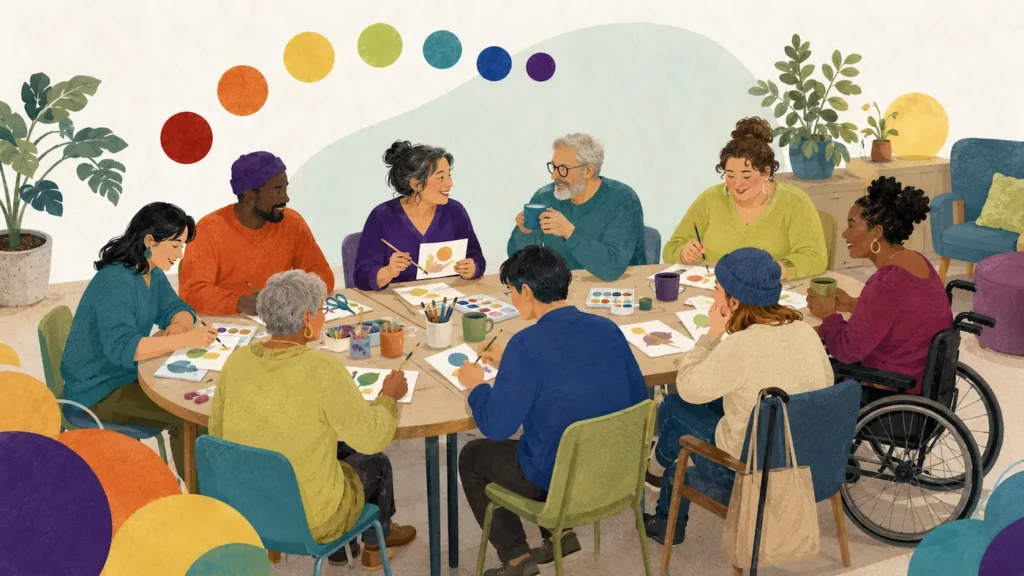
Instead of facing a room and wondering what to say, you might be painting, learning a relaxation technique or making something with your hands. Conversation can grow around the activity without feeling forced.
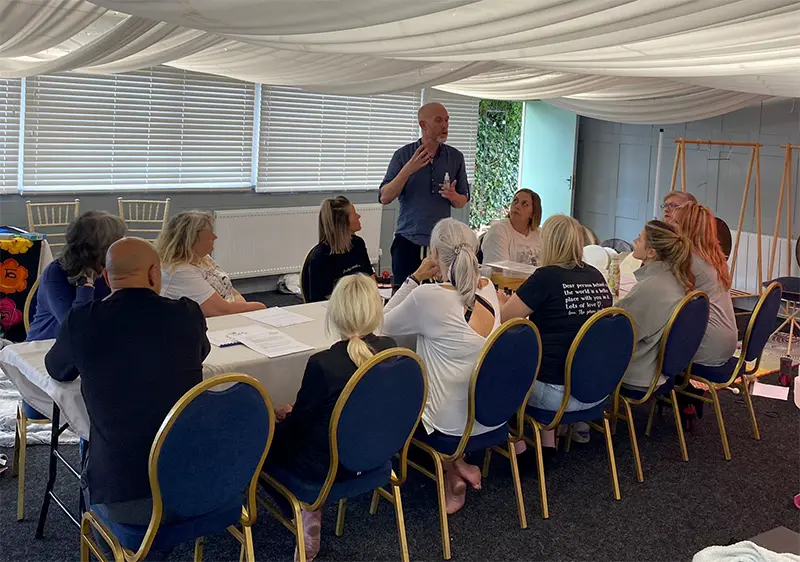
This is one reason Zen Community Hub hopes to develop a varied programme. Not everyone connects in the same way, and not everyone wants to sit in a circle and introduce themselves before they have located the kettle.
[Related article: Discover how creative workshops can build confidence and connection.]
Accessible means more than having an open door
A group can say “everyone is welcome” while still being difficult for many people to attend.
Cost, transport, unsuitable times, inaccessible venues, caring responsibilities and sensory needs can all become barriers. People may also worry that they will not fit in or that nobody will understand their circumstances.
Genuinely inclusive community wellbeing means looking beyond the invitation and asking:
- Who might still be unable to come?
- What could make attending easier?
- Does the activity feel welcoming to different communities?
- Have the people affected helped shape the project?
Zen Community Hub is developing its work with these questions in mind. Where funding allows, activities may be free, subsidised or grant-funded, with clear information about accessibility and what participants can expect.
[Related article: Why wellbeing support can feel out of reach.]
Wellbeing works better when communities help shape it
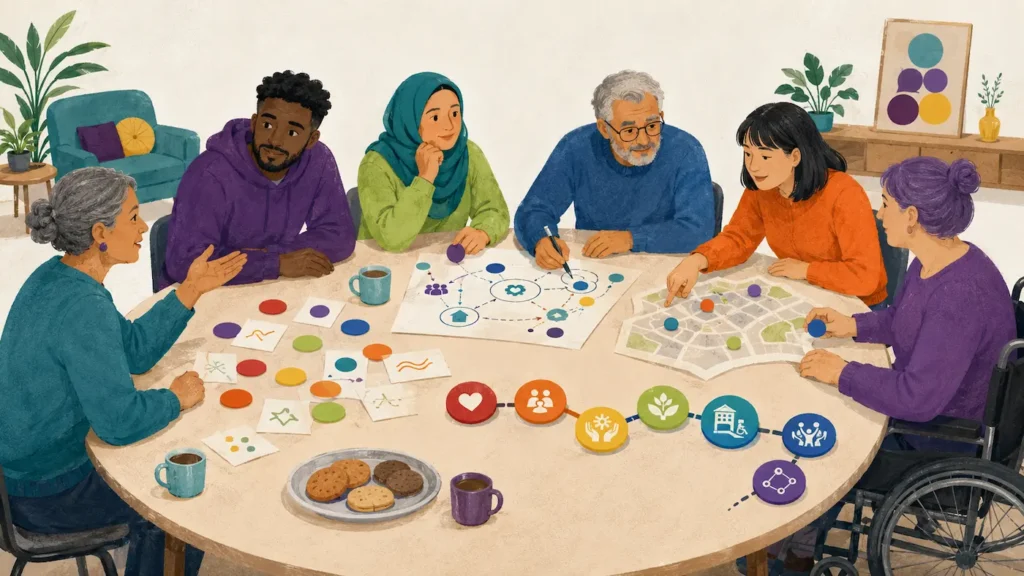
Strong community projects are not simply delivered to people. They are developed with them.
Residents, carers, families and community organisations already hold valuable knowledge about what is needed locally. Listening to that knowledge can help turn a good idea into something people will actually use.
Our first Hub is rooted in Nottinghamshire, but the principle applies anywhere: begin with the people, not the programme.
That is why we have created our Community Connection group. It is a place to share ideas, discuss barriers and help shape future activities as funding and partnerships develop.
Community wellbeing does not begin with a grand building or a huge budget. Sometimes it begins when somebody says:
“This would help. Could we try it together?”
This group is hosted in The Zen Rooms’ free online community. You’ll need to sign in or create a free account to join (simply click the button above).